Dad Thanks for Saying Yes When Mom No Review
As a designer who has spent years translating digital files into tangible thread on fabric, I approach every new asset with a mix of excitement and skepticism. The market is flooded with T-Shirt Designs that look great on a screen but fall apart under the needle. Today, I am putting Dad Thanks for Saying Yes when Mom No through its paces to see if it holds up as a serious machine embroidery design for your craft business or personal projects.
This specific Graphics file leans heavily into the vintage humor category. It taps into a timeless family dynamic that resonates deeply with fathers, grandparents, and anyone who appreciates a bit of sarcastic wit. But does the visual personality translate well from a JPEG preview to a stitched reality? Let's dig into the practical application of this design before you commit your time and materials.
The Visual Personality and First Impression
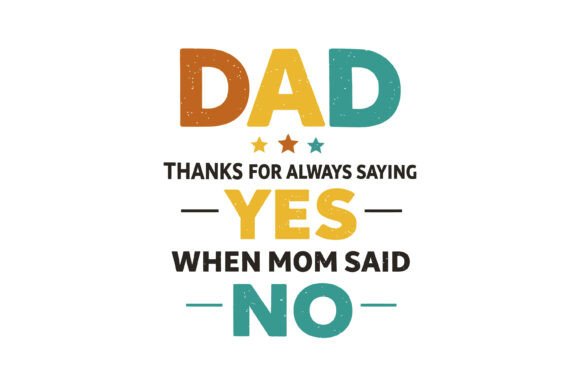
At first glance, Dad Thanks for Saying Yes when Mom No exudes a retro charm that feels immediately nostalgic. The layout suggests a balanced composition, likely utilizing bold typography mixed with illustrative elements typical of the "funny colorful vintage" aesthetic described in the product details. For an embroidery project, this kind of mood is crucial. It isn't just text; it's a statement piece.
When I review a file intended for custom apparel, I look for how the shapes interact. In this case, the design seems to rely on distinct letterforms and perhaps some decorative flourishes to carry the "witty retro" vibe. The challenge with vintage-style text in embroidery is maintaining legibility while keeping the artistic flair. If the design relies too heavily on thin lines or intricate serifs, it can get lost in the fill stitch. However, if the vectors are robust, this could be a standout handmade product for Father's Day or holiday gifting.
Real-World Application: A Custom Sweatshirt Scenario
Let's imagine a real-life scenario. You are running a small shop on Etsy, and a customer orders a personalized sweatshirt for her husband. She wants something funny but classy enough to wear at a barbecue. You load Dad Thanks for Saying Yes when Mom No into your digitizing software. How does it perform?
In a sweatshirt embroidery context, the texture of the fleece is your biggest variable. This design needs to sit comfortably on a chest pocket or centered on the back. Because the theme is humorous and conversational, the placement should be prominent. If you are using the SVG or EPS Editable formats provided, you have the flexibility to adjust the scale. I would recommend sizing this generously. On a thick garment like a sweatshirt, a small hoop size might make the text difficult to read, defeating the purpose of the joke.
Imagine the finished product: a heavy cotton blend sweatshirt in navy blue, with the design stitched in bright, contrasting thread colors—maybe mustard yellow, teal, and burnt orange to match that vintage palette. The stitch density needs to be high enough to cover the dark fabric without puckering, yet loose enough to let the fabric breathe. If the design includes complex curves, you must ensure your machine can handle the direction changes smoothly. A poorly executed curve here could ruin the retro feel, turning a stylish graphic into a jagged mess.
Navigating Fabric Challenges and Hoop Sizes
Not every fabric plays nice with every design. While Dad Thanks for Saying Yes when Mom No looks promising, you need to be strategic about where you apply it. Avoid using this design on highly textured fabrics like ribbed knits or slub cotton unless you are experienced with stabilizers. The uneven surface can cause the running stitch outlines to skip or the fill areas to show gaps.
If you are planning to use this for a tote bag design, remember that canvas is forgiving but heavy. You will need a strong cut-away stabilizer to prevent the bag from shifting during stitching. Conversely, if you attempt this on a thin t-shirt or a baby onesie, the weight of the thread might overwhelm the fabric. For baby embroidery, softness is key. You might need to reduce the stitch count or switch to a lighter thread weight to ensure the garment remains comfortable against sensitive skin.
Also, consider the curvature of the item. If you are adapting this for a cap or a curved pillow cover, the design must be flexible. Text that wraps around a brim can become distorted. Always check the design in black and white mockups first to see how the contrast holds up on different surfaces. A design that pops on a light background might disappear on a dark one without careful color adjustments.
Practical Designer Notes for Success
Before you start selling items featuring Dad Thanks for Saying Yes when Mom No, there are several technical checks you must perform. First, always test the design on scrap fabric. Even if the file formats—PDF, JPEG, PNG Transparent, SVG, and EPS—look perfect on your monitor, the physical stitch-out tells the real story.
- Check Thread Contrast: Ensure the chosen thread colors stand out against your base fabric. Vintage designs often use muted tones; on a grey shirt, these might blend in too much.
- Review Stitch Density: Look for areas where the needle might penetrate the fabric too many times, leading to holes or puckering. Adjust the density settings in your software if necessary.
- Confirm Hoop Size: Make sure the entire design fits within your largest hoop. If it requires piecing, the seams might be visible and detract from the professional look.
- Inspect Small Details: Zoom in on the lettering. Are the counters (the holes inside letters like 'o' or 'e') large enough to fill cleanly? Tiny details often get clogged with thread buildup.
- Use Proper Stabilizer: Whether it is tear-away for stable fabrics or cut-away for stretchy materials, the right backing is non-negotiable for a clean finish.
Furthermore, verify the licensing terms. The description mentions these are digital product assets. As a commercial embroidery provider, you need to know if you can sell the finished goods or if the license is restricted to personal use. Never assume; clarify this with the seller to protect your business.
Impact on Brand and Customer Trust
Ultimately, the value of Dad Thanks for Saying Yes when Mom No lies in its ability to create an emotional connection. When a customer receives a personalized gift that is well-stitched and visually appealing, their trust in your brand skyrockets. A sloppy execution of a funny design can make the joke fall flat and reflect poorly on your craftsmanship.
For Etsy sellers and boutique owners, consistency is everything. If you use this design across multiple products—perhaps a matching set of a mug, a tote bag, and a t-shirt—it creates a cohesive collection that encourages repeat purchases. The "vintage humor" angle is evergreen, making it a reliable asset for your inventory year-round, not just for holidays.
However, do not overuse it. Keep it exclusive to maintain its special status. Use high-quality printable mockup images to showcase the design in your listings so customers can visualize the final result. Show it on a mannequin, on a model, and close-up to highlight the stitch quality.
Final Verdict for Makers and Entrepreneurs
Dad Thanks for Saying Yes when Mom No is a strong contender for your next embroidery project, provided you respect the technical requirements of the medium. It offers a fun, relatable theme that fits perfectly into the realm of custom apparel and holiday gifts. The versatility of the included file formats gives you the freedom to adapt it for various applications, from embroidered patches to full-garment decoration.
Just remember: the magic happens in the execution. Test thoroughly, choose your fabrics wisely, and pay attention to the details. If you do, this design can become a bestseller in your shop, bringing smiles to customers and adding a touch of personality to your portfolio. Happy stitching!