Rustic Easter Clipart Bundle Review
As a designer who has spent years navigating the fine line between digital art and physical stitching, I approach every new asset with a critical eye. When I first opened the Rustic Easter Clipart Bundle, my immediate reaction was one of aesthetic appreciation followed by a practical pause. The mood is undeniably charming, evoking that cozy, farmhouse-style spring vibe that sells so well on Etsy and at craft fairs. However, before rushing to load this into an embroidery machine or planning a sublimation run, we need to have a very honest conversation about what these files actually are and how they translate to real-world products.
The Aesthetic Appeal vs. Technical Reality
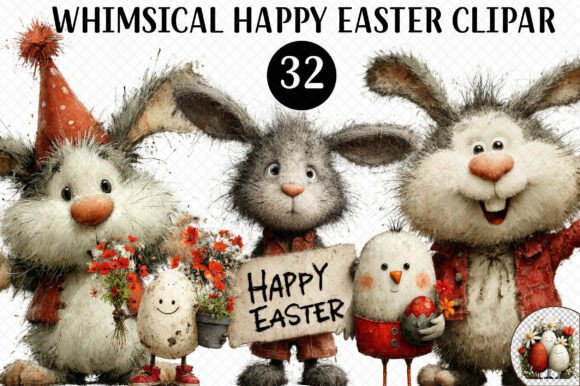
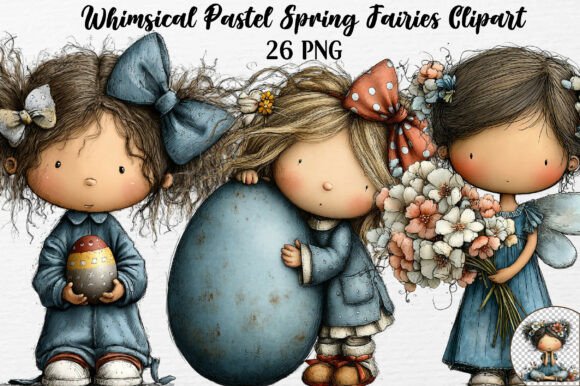
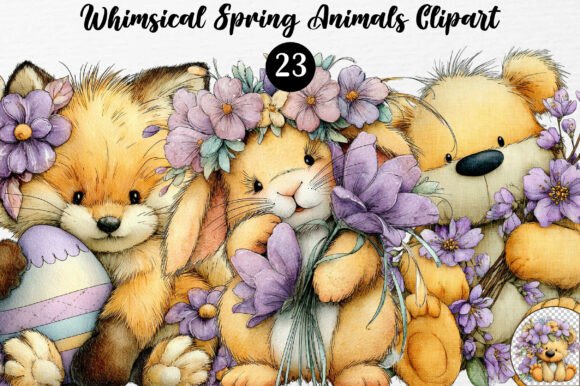
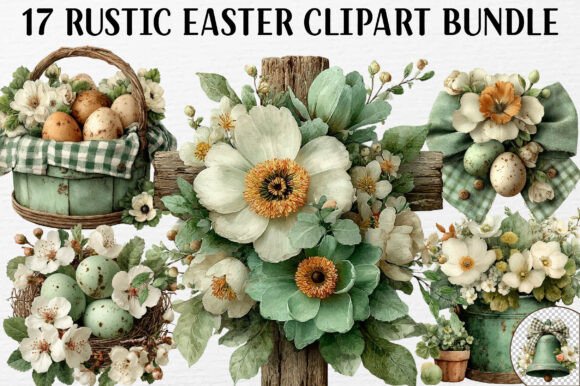
Visually, the Rustic Easter Clipart Bundle delivers exactly what its name promises. The illustrations feature soft textures, distressed edges, and a warm color palette that screams "handmade." For a small shop product like a printed tea towel or a sublimated mug, these graphics are gold. They fit perfectly into the current trend of rustic home decor. But here is where the rubber meets the road for us embroiderers: these are PNG files designed specifically for sublimation projects or printing. They are not SVG files, and they are not layered vector assets.
This distinction is crucial. If you are looking for a standard machine embroidery design file that you can stitch out immediately with satin stitches and fill stitches, this bundle is not it. You cannot simply drag a PNG into your digitizing software and expect a clean result without significant manual work. As a professional reviewer, I must emphasize that using raster images for embroidery requires a complete re-digitization process. You would need to trace the outlines, define the underlay, set the pull compensation, and adjust the stitch density manually. If you skip this step, the finished product will likely suffer from jagged edges, poor definition, and thread breaks.
A Real-World Scenario: The Custom Tote Bag Project
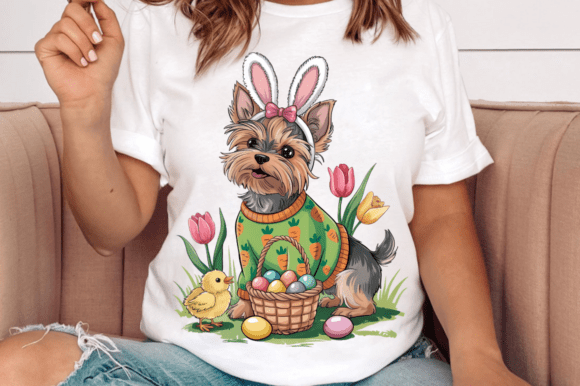
Let's imagine a specific scenario to illustrate the potential pitfalls and possibilities. Suppose you are an Etsy seller preparing for the Easter rush. You want to create a line of custom tote bags featuring a cute bunny and a basket of eggs from the Rustic Easter Clipart Bundle. Your initial thought might be to print the image onto transfer paper and iron it on, or perhaps use a heat press for sublimation if you have white polyester bags. In this context, the bundle shines. The resolution is high enough for crisp printing, and the rustic style adds immediate value to the finished product.
However, let's say you decide to try and embroider this design directly onto a heavy canvas tote bag because you believe embroidery looks more premium. Without proper conversion, the intricate details of the rustic texture in the clipart will turn into a muddy mess of thread. The "distressed" look in the graphic relies on pixel variation, which translates poorly to running stitch or fill stitch patterns unless carefully engineered. If you attempt to stitch this as-is, your customers might receive a patch that looks pixelated rather than artistic. This is why understanding the difference between a printable graphic and an embroidery file is non-negotiable for any serious crafter.
Navigating Fabric and Hoop Constraints
Even if you decide to hire a digitizer or spend hours converting these Graphics into stitchable formats, you must consider the medium. The rustic theme often implies a level of detail that struggles on certain fabrics. For instance, trying to place a complex design from this bundle on a stretchy fabric like a sweatshirt requires careful attention to stabilizer choice and hoop tension. The texture of the fabric can interfere with the clarity of the design, especially if the original clipart has fine lines.
If you are working with custom apparel like baby clothes or delicate nursery items, the hoop size becomes a limiting factor. Many of the illustrations in the Rustic Easter Clipart Bundle are wide and sprawling. Attempting to shrink them down to fit a 4x4 inch hoop for a baby bodysuit could result in lost details and a cluttered appearance. Similarly, on dark fabrics, the light colors typical of Easter designs need high-contrast backing to pop. If the design is too dense, it can pucker the fabric, ruining the drape of a nice apron or pillow cover.
Where Caution is Required
- Small Hoop Sizes: Avoid shrinking large, detailed illustrations for tiny areas like caps or hats.
- Textured Fabrics: Tweeds and knits may hide the finer details of the rustic elements.
- Stretchy Materials: Ensure you use the correct stabilizer to prevent distortion during washing.
- Detailed Corners: Sharp angles in the clipart may require extensive manual editing to stitch cleanly.
Maximizing Value for Your Craft Business
Despite the technical hurdles for embroidery, the Rustic Easter Clipart Bundle remains a powerful asset for the creative entrepreneur who understands its intended purpose. For those running a craft business focused on sublimation, these files offer a shortcut to creating beautiful, cohesive collections. You can use them for printable mockups to showcase your brand, create holiday gifts, or produce boutique merchandise without the headache of digitizing.
If you are determined to use these designs for commercial embroidery, treat them as inspiration rather than ready-to-stitch files. Use the shapes and themes to guide your own digitizing efforts. Create a simplified version of the bunny or the basket that retains the rustic charm but uses fewer stitches and cleaner lines. This approach ensures that your personalized gift or embroidered patch maintains high quality and customer trust. Remember, a professional-looking stitch job builds your reputation far more than a trendy but poorly executed design ever could.
Practical Designer Notes for Success
Before committing to a project involving the Rustic Easter Clipart Bundle, follow these essential steps to ensure success:
- Test First: Always run a test on scrap fabric to check how the converted design holds up.
- Check Contrast: Verify that your thread colors stand out against your chosen fabric background.
- Review Density: Ensure the stitch density isn't too high for thin materials.
- Confirm Licensing: Double-check the terms of use for selling finished products versus reselling the digital files.
- Mockup Wisely: Test the design in black and white to see if the visual hierarchy works without color cues.
In conclusion, the Rustic Easter Clipart Bundle is a fantastic resource for sublimation artists and printers looking to add a touch of seasonal warmth to their inventory. For embroiderers, it serves as a starting point for creativity but demands respect for the technical limitations of raster files. By understanding the nature of these Illustrations and adapting them correctly, you can create stunning, market-ready products that delight your customers and elevate your brand. Whether you are making a single holiday embroidery piece or stocking up for a small shop product launch, knowledge is your best tool.