Laser Cut Animal, Jungle Lion Bread Clip Review
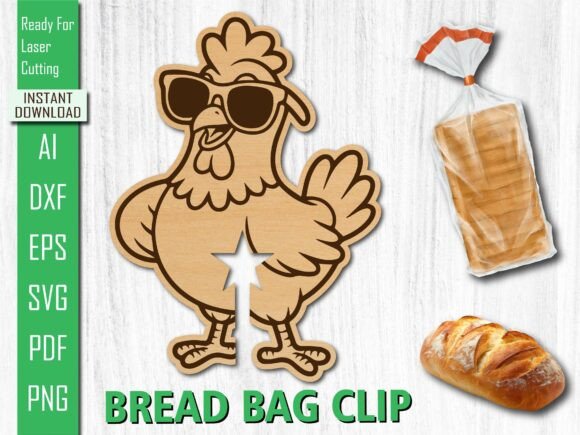
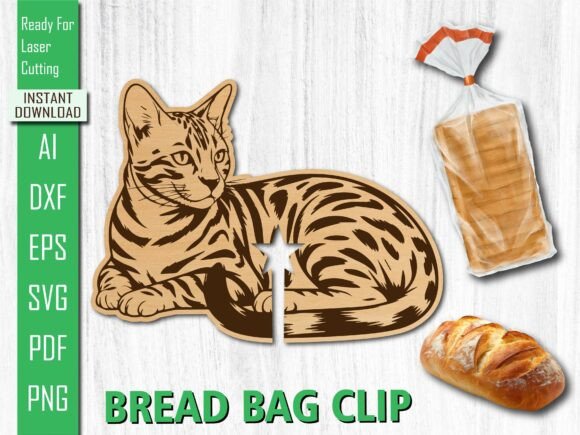
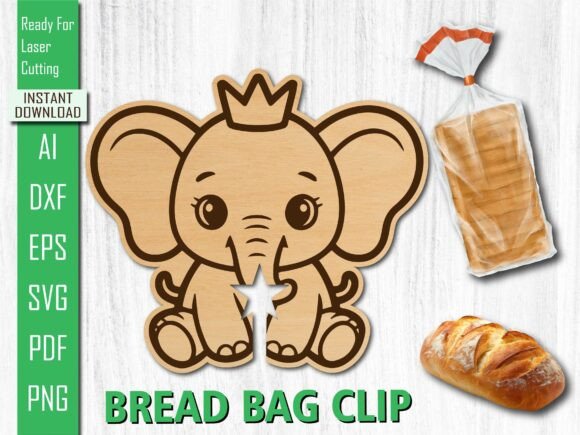
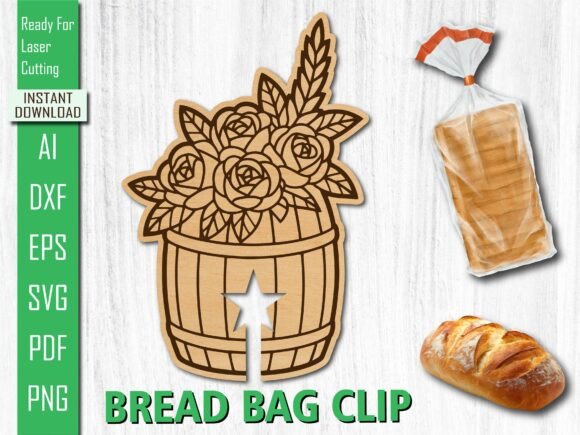
As a designer who spends most of their day staring at stitch counts and thread tension charts, I approach every new asset with a critical eye. When I first encountered the Laser Cut Animal, Jungle Lion Bread Clip, my immediate reaction was a mix of amusement and professional curiosity. The concept is undeniably charming: a jungle lion designed to clip bread bags shut. It promises to add a pinch of humor to kitchen organization while combining practicality with a playful twist. However, for us in the embroidery world, the question isn't just whether it looks cute; it is how this specific design translates from a digital file or laser-cut template into a tangible, stitched reality.
The Visual Personality and Design Mood
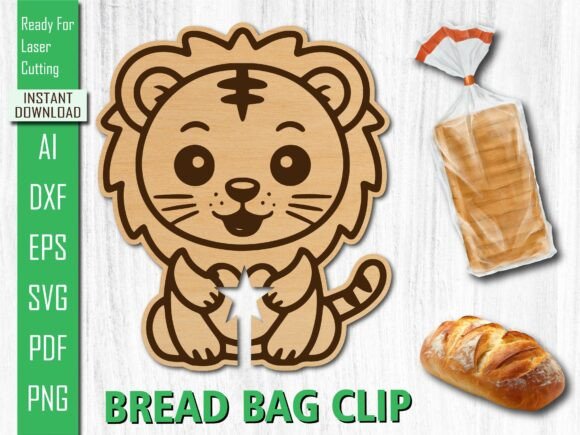
At first glance, the Jungle Lion Bread Clip exudes a whimsical energy that fits perfectly into the current trend of anthropomorphic kitchenware. The layout suggests a bold silhouette, which is crucial for any project intended to be seen from a distance, like an item sitting on a countertop. For an embroidery designer, the shape immediately signals potential. Unlike intricate floral patterns that require high stitch density and fine details, this animal motif relies on strong lines and recognizable features. This makes it an excellent candidate for conversion into a machine embroidery design if you are looking to adapt the aesthetic for fabric goods rather than just wood or acrylic.
The visual personality is distinctively friendly. It doesn't try to be fierce; instead, it leans into the "funny" aspect mentioned in its description. In a portfolio of design assets, this piece stands out as a conversation starter. It has that quirky appeal that drives sales for Etsy sellers and small shop owners who specialize in unique home goods. The mood it creates is lighthearted and inviting, making it a natural fit for personalized gifts or boutique merchandise that aims to bring a smile to the customer's face.
Translating the Concept to Real Embroidery Projects
While the product is marketed for Laser Cutting and CNC machines, let's imagine we are adapting this lion motif for a real-life embroidery scenario. Picture a custom embroidered tote bag for a local bakery or a set of kitchen towels for a baby shower with a jungle theme. How would the Laser Cut Animal, Jungle Lion Bread Clip perform here?
In a tote bag design, the bold outline of the lion would work beautifully. You could use a thick satin stitch for the mane to give it texture and volume, contrasting against a fill stitch body. The simplicity of the original laser-cut shape means you don't need to worry about tiny, un-stitchable details getting lost in the weave of the canvas. For custom apparel, such as a sweatshirt or an apron, the design scales well. A large version on the back of a chef's apron would serve as a fun branding element, while a smaller version on a pocket could act as a subtle accent.
I also see great potential for this in embroidered patches. If you were creating a limited run of patches for a craft fair, the clear definition of the lion allows for clean cutting after stitching. The design holds up well even when reduced in size, provided the essential features—the ears, the mane, and the snout—remain intact. This versatility makes it a valuable addition to a digital embroidery file library for anyone looking to expand their craft business offerings beyond standard text-based designs.
Where Caution Is Required
Despite its strengths, there are scenarios where the Laser Cut Animal, Jungle Lion Bread Clip needs careful handling. If you attempt to stitch this on very thin or stretchy fabric without the right stabilizer, the bold outlines might pucker. The density required to make the lion pop can sometimes overwhelm delicate materials like silk or lightweight cotton blends. Similarly, on dark fabrics, the contrast of the thread colors becomes critical. Without proper planning, the lighter parts of the lion might get lost against a black background unless you use a bright, high-contrast palette.
Another consideration is the placement on curved surfaces like caps. While the design is simple, the transition from the flat plane of a cap front to the curve of the brim can distort the proportions of the lion's face. You must ensure the hoop size accommodates the curvature without stretching the design unnaturally. Additionally, if you are aiming for a very small scale, such as on a baby onesie, be wary of the detail level. Some of the playful elements that define the "funny" nature of the clip might become indistinguishable blobs of thread if the stitch count is too low or the area is too cramped.
Practical Designer Notes for Implementation
If you decide to integrate this concept into your workflow, whether by adapting the vector for embroidery or using it as inspiration for a handmade product, follow these practical steps:
- Test on Scrap Fabric First: Never skip the test run. Stitch the design on a scrap piece of the actual fabric you plan to use. Check for puckering, especially around the dense areas of the lion's mane.
- Check Thread Color Contrast: Ensure the thread colors stand out against the fabric. For a jungle theme, earth tones work, but a pop of color can enhance the humorous intent.
- Review Stitch Density: Adjust the fill settings to prevent the fabric from becoming stiff. The goal is a soft, professional finish, not a cardboard-like patch.
- Confirm Hoop Size: Make sure your machine's hoop can accommodate the design width without needing to re-hoop mid-stitch, which can cause misalignment.
- Inspect Small Details: Zoom in on the mockup. Are the eyes and nose defined enough? If they are too small, consider simplifying them further before digitizing.
- Use Proper Stabilizer: A tear-away or cut-away stabilizer is essential for maintaining the shape, especially on items like kitchen towels that will undergo frequent washing.
- Verify Licensing: Since this is a commercial product, always confirm the licensing terms before selling finished items or digital products. Do not assume personal use rights extend to commercial embroidery projects.
Impact on Brand Value and Customer Trust
Ultimately, the decision to use a design like the Laser Cut Animal, Jungle Lion Bread Clip affects more than just the look of your product; it influences your brand's perception. A well-executed, humorous design adds value to a handmade product by showing creativity and attention to detail. Customers buying personalized gifts or holiday embroidery items appreciate when the design feels intentional and cohesive.
For a small business owner, consistency is key. If your brand focuses on playful, functional home decor, this lion motif aligns perfectly. It reinforces your identity as a maker who understands both aesthetics and utility. Conversely, if your brand is strictly minimalist or luxury-focused, this design might clash. Always evaluate how the finished product fits within your existing catalog and whether it meets the expectations of your target audience.
In conclusion, while the Laser Cut Animal, Jungle Lion Bread Clip originates as a tool for laser cutting and CNC machines, its visual language offers rich opportunities for embroidery designers. By understanding its strengths, limitations, and the technical requirements for adaptation, you can transform this playful concept into a profitable and engaging embroidery project. Whether for a boutique product line or a one-off personalized gift, the key lies in thoughtful execution and respecting the material constraints of the medium.