Reviewing the Bengal Cat Bread Clip Design
As a designer who has spent years navigating the intersection of digital assets and tangible craft, I approach every new design with a critical eye. When I first encountered the Bengal Cat Bread Clip, Cat Laser Cut, my initial reaction was one of amusement followed by a practical assessment of its utility. This piece is marketed primarily for Laser Cutting to create physical Organizers for the kitchen, but as an embroidery professional, I immediately began visualizing how this specific character could translate into a textile medium. The question isn't just whether it looks good on a screen, but how it performs when translated into thread on fabric.
The Visual Personality and Design Intent
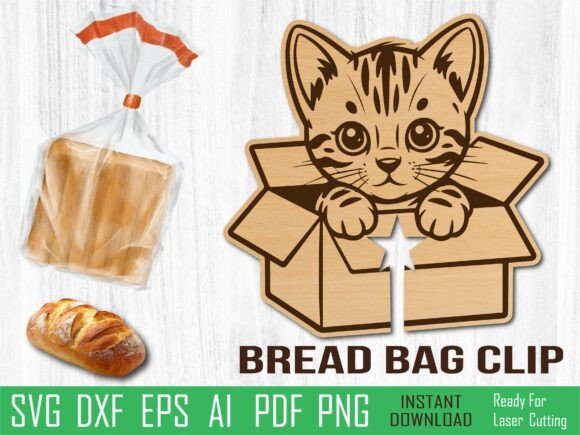
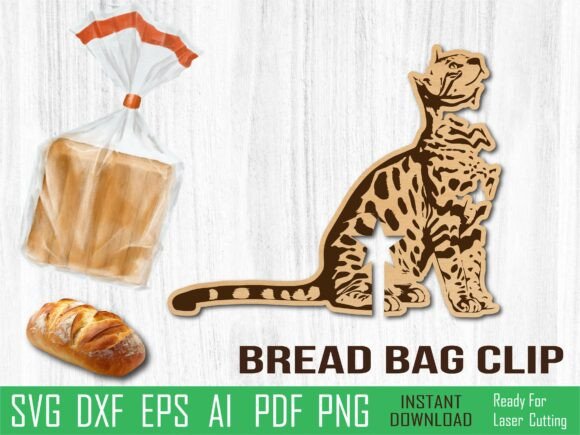
The Bengal Cat Bread Clip, Cat Laser Cut carries a distinct personality that screams "quirky home decor." The silhouette is bold, capturing the essence of a Bengal cat's spotted coat and alert posture without getting lost in microscopic details. In the context of laser-cut wood or acrylic, these clean lines are perfect. However, when we shift our perspective to machine embroidery, the simplicity becomes a strength. Unlike overly complex illustrations that require thousands of stitches to resolve, this design relies on strong outlines and recognizable shapes.
For a crafter looking to add a dash of fun to their shop inventory, this design offers a mood that is both cheeky and cozy. It fits perfectly into the narrative of modern, pet-loving households. If you are planning a project where the goal is to make someone smile while they pull out a slice of sourdough, this asset delivers. The layout is balanced, suggesting that it would work well as a central motif rather than a background pattern.
Translating the Concept to Embroidery Projects
While the source file is intended for cutting machines, the potential for this design as an embroidered patch or a direct application on textiles is significant. Imagine placing this design on a heavy-duty cotton tote bag design. The sturdy nature of canvas allows the stitch definition to pop, especially if you utilize a combination of satin stitch for the outline and a dense fill stitch for the spots on the cat's fur.
I recently considered using a similar character concept for a line of personalized aprons for a local bakery client. The idea was to have the cat "holding" the bread clip area, perhaps embroidered directly onto the pocket. In this scenario, the Bengal Cat Bread Clip, Cat Laser Cut would serve as a unique branding element. For custom apparel, such as a sweatshirt or a chef's hat, the design needs to be scaled appropriately. Because the original vector is clean, it should scale down reasonably well without losing the feline features, provided you avoid going too small.
This design also holds promise for baby embroidery projects, specifically for nursery decor or soft toys, assuming the materials used are safe and non-toxic. A pillow cover featuring this playful cat could become a standout item in a boutique shop. The key here is the translation from a rigid laser-cut object to a soft, stitched representation. The humor remains intact, but the tactile experience changes entirely, adding value to the finished product.
Navigating Technical Challenges in Stitching
Every designer knows that not all files are created equal when moving from vector to stitch. If you decide to digitize or convert the Bengal Cat Bread Clip, Cat Laser Cut for your embroidery machine, there are several areas where caution is required. First, consider the stitch density. The spots on a Bengal cat can easily turn into muddy blobs if the fill density is too high. You must ensure there is enough space between the satin columns to prevent puckering, especially on lighter fabrics.
Hoop size is another critical factor. While the design might look compact, remember that you need room for the stabilizer and the needle movement. If you are attempting this on a small hoop size, such as a 4x4 inch frame, you may need to simplify the tail or ears slightly to maintain clarity. On textured fabrics like denim or fleece, the intricate spots might get lost. In these cases, increasing the contrast of the thread colors is essential. Using a metallic gold or bright orange against a dark grey background could mimic the laser-cut aesthetic effectively.
Be particularly careful with curved surfaces like caps or hats. The head of the cat has a rounded shape that might distort if the cap is stretched too much during hooping. Always use a proper stabilizer—a cut-away for stretchy knits or a tear-away for woven goods—to support the design. If you are working with thin fabric, such as a tea towel, the weight of the thread could cause sagging. In such instances, backing the fabric heavily is non-negotiable.
Practical Considerations for Small Business Owners
- Test on Scrap Fabric: Never skip the test run. Stitch the Bengal Cat Bread Clip, Cat Laser Cut on a scrap piece of the actual fabric you intend to sell. Check for underlay issues and thread breaks.
- Check Thread Contrast: Ensure the spots stand out. If the design is monochromatic in the vector, plan your color palette carefully to define the form.
- Inspect Small Details: Zoom in on the eyes and nose. These tiny elements often fail if the digitizing isn't precise. They might need to be converted to running stitch or simplified satin stitches.
- Verify Licensing: Before selling any handmade product featuring this design, confirm the license terms. Just because it is available for download doesn't mean you can sell unlimited finished goods.
- Mockup Testing: Create a printable mockup to visualize how the design looks on different items before committing to production.
Impact on Brand Value and Customer Engagement
For an Etsy seller or a small shop product creator, the choice of design assets directly influences customer perception. The Bengal Cat Bread Clip, Cat Laser Cut offers a level of specificity that generic cat designs lack. Customers looking for something unique will appreciate the effort put into selecting a breed-specific, humorous theme. This specificity builds trust; it shows that you understand your niche audience.
When used correctly in commercial embroidery, this design elevates a simple item into a conversation starter. A kitchen towel with this embroidered motif feels more personal than a mass-produced alternative. It enhances the giftability of the item, making it a perfect holiday gift or a wedding present for a couple who loves their pets. The visual appeal is maintained through clean lines and a clear message, which translates to higher buyer engagement on social media platforms where photos of your work drive sales.
However, consistency is key. If you are building a brand around quirky, functional home goods, ensure that the stitching quality matches the charm of the design. Poorly executed embroidery can ruin even the best concept. The design assets you choose set the tone for your entire portfolio. By treating the Bengal Cat Bread Clip, Cat Laser Cut with the respect it deserves—testing thoroughly, choosing the right fabrics, and respecting the licensing—you can create a digital embroidery file workflow that results in high-quality, sellable merchandise.
Final Thoughts for the Creative Entrepreneur
In conclusion, while the Bengal Cat Bread Clip, Cat Laser Cut is born from the world of Laser Cutting and physical Organizers, its adaptability makes it a valuable tool for the embroidery community. It challenges us to think about how rigid, geometric designs can be softened and brought to life with thread. Whether you are creating a single personalized gift or scaling up for a craft business, this design offers a fun, engaging opportunity. Just remember to prioritize technical execution over speed. Test your settings, respect the fabric, and always check your rights. With the right approach, this playful feline can become a staple in your collection of custom creations.