Laser Cut Reading Teddy Bear Bread Clip Review
As a designer who has spent years navigating the fine line between whimsical charm and commercial viability, I approach every new design asset with a critical eye. When I first encountered the Laser Cut Reading Teddy Bear Bread Clip, my initial reaction was one of amusement followed by immediate curiosity about its application. While the product description clearly states this is a design made for laser cutting and CNC machines, falling under the category of Other Art Amp and Laser Cutting, the visual language it speaks is so universally appealing that it begs to be adapted into other mediums, particularly embroidery. However, before rushing to digitize or adapt this concept for a machine embroidery design, we need to look at how this specific aesthetic translates from a rigid cut file to a soft, stitched reality.
The Mood and Visual Personality of the Design
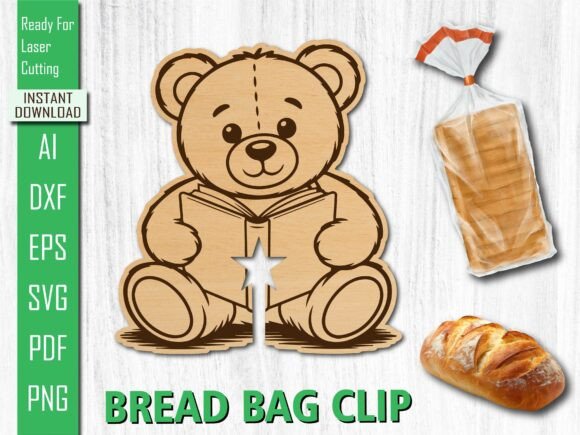
The core appeal of the Laser Cut Reading Teddy Bear Bread Clip lies in its ability to inject humor into a mundane kitchen task. The image of a teddy bear engrossed in reading while holding down a bread bag creates an instant narrative. For an embroidery project, this mood is invaluable. It suggests warmth, nostalgia, and a touch of intellectual playfulness. In terms of layout, the design relies on clean lines and distinct shapes—traits that are excellent for laser cutting but present unique challenges for stitching.
When visualizing this as an embroidery file, the "reading" aspect implies details like glasses, an open book, and perhaps expressive eyes. These elements require careful consideration regarding stitch density. If the original vector art is too intricate, converting it directly to a digital embroidery file without simplification could lead to thread bunching or registration issues. The playful twist mentioned in the product description works best when the final finished product retains clarity. A blurry or muddy stitch count will ruin the humor, turning a cute bear into an unrecognizable blob.
Real-World Application: From Concept to Craft Business
Let’s imagine a real-life scenario. You are an Etsy seller preparing a holiday collection of personalized kitchen linens. You decide to feature the Laser Cut Reading Teddy Bear Bread Clip motif on a set of high-quality cotton tea towels. This is where the practical design judgment comes into play. Unlike a flat piece of wood or acrylic used in Laser Cutting, fabric has texture and give. The fabric texture of a woven towel can interfere with small details like the pages of the book or the contours of the bear's ears.
In this context, the design would likely perform best as a custom apparel accent or a standalone embroidered patch. Imagine placing this design on the chest of a cozy flannel apron or the front pocket of a denim tote bag. The contrast between the soft fabric and the structured, cartoonish nature of the bear creates a delightful tactile experience. For a craft business owner, this design offers a strong selling point for personalized gifts. Parents love items that feel storybook-inspired, making this ideal for baby embroidery projects like receiving blankets or nursery decor, provided the scale is adjusted to maintain safety and visibility.
If you are targeting the commercial embroidery market, consider how this design fits into a boutique branding strategy. A local bakery or a bookstore cafe might appreciate a logo variation based on this concept. However, adapting a Laser Cutting design for apparel requires ensuring the hoop size accommodates the full composition without distorting the proportions. The tote bag design potential is particularly high here; the sturdy canvas provides a stable base for the fill stitch areas required for the bear's body.
Navigating Challenges in Embroidery Adaptation
While the concept is sound, there are specific areas where the Laser Cut Reading Teddy Bear Bread Clip must be handled with care. First, consider the medium. Laser cutting produces sharp, crisp edges. Embroidery, by contrast, uses thread which has volume. Tiny lettering on the book cover, if present in the original design, may not survive the translation to thread. Satin stitch is great for outlines, but if the text is too small, it will collapse or become unreadable.
Texture is another major factor. If you attempt to embroider this on stretchy fabrics like jersey knit for a t-shirt, the tension can warp the image. The running stitch used for fine details might pull the fabric, causing puckering. Similarly, dark fabrics can swallow the detail unless you use a bright thread colors palette or a white underlay. Always test the design on scrap fabric first. Check how the stitch density holds up after washing; dense areas might crack or stiffen over time, which is unacceptable for a kitchen item meant for frequent use.
Curved surfaces, such as caps or hats, also pose a risk. The bear's head and the book are relatively large elements. On a curved bill, these shapes can distort, making the bear look lopsided. For products that need frequent washing, like dish towels or aprons, ensure the stabilizer used during the embroidery project is appropriate. Water-soluble stabilizers work well for temporary support, but cutaway stabilizers are better for heavy-duty items to prevent tearing.
Maximizing Value and Professional Presentation
The visual appeal of the Laser Cut Reading Teddy Bear Bread Clip directly impacts customer trust and brand consistency. A well-executed version of this design signals professionalism. Conversely, a poorly adapted version suggests a lack of attention to detail. To maximize the value of your handmade product, focus on the clarity of the image. Use printable mockups to visualize how the design looks on different backgrounds before committing to production.
For small shop owners looking to expand their catalog, this design serves as a versatile design asset. It bridges the gap between home decor and functional wearables. Whether you are creating a sweatshirt embroidery piece for a teacher appreciation gift or a holiday embroidery set for family gatherings, the theme resonates. Just remember to confirm licensing before selling finished items or digital products. Even if the original file is for laser cutting, adapting it for embroidery may fall under different usage rights depending on the creator's terms.
In conclusion, the Laser Cut Reading Teddy Bear Bread Clip offers a fantastic foundation for creative entrepreneurship. Its humor and charm are transferable, but the transition from a rigid cut file to a flexible textile design requires skill. By testing on scraps, respecting hoop size limitations, and choosing the right thread colors for contrast, you can turn this playful concept into a profitable and beloved finished product. Whether for your own craft fair booth or a larger commercial embroidery run, the key is to honor the spirit of the design while respecting the physical limitations of the needle and thread.