You Are Teacher Png: A Designer's Practical Review
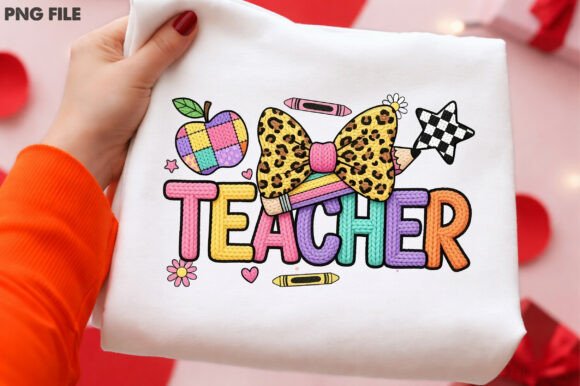
As a designer who has spent years navigating the intersection of digital art and tangible thread, I approach every new asset with a critical eye. When I first encountered You Are Teacher Png, my initial reaction was one of cautious optimism. The title suggests a warm, celebratory sentiment perfect for the back-to-school season or teacher appreciation gifts. However, the product description immediately raised a crucial flag that every serious embroiderer must address before proceeding: these are PNG files designed specifically for sublimation or printing, not native vector embroidery files.
This distinction changes everything about how we utilize this graphic in a real-world crafting scenario. For those running a small shop or an Etsy store, understanding the difference between a printable image and a stitch-ready file is the line between a professional finished product and a frustrating project failure. Let’s dive into how You Are Teacher Png fits into your workflow, what it can achieve, and where you need to exercise extreme care.
First Impressions: Mood and Visual Personality
The visual personality of You Are Teacher Png is inherently friendly and accessible. As an illustration within the Graphics category, it likely features clean lines and bold shapes intended to pop on a printed surface. In the world of machine embroidery design, we often look for clear boundaries between fill stitch areas and satin stitch outlines. While this PNG offers a strong aesthetic foundation, its primary strength lies in its ability to serve as a high-quality reference or a direct print-on-demand asset rather than a direct input for an embroidery machine.
If you are envisioning a custom apparel piece, such as a vibrant tote bag design or a personalized sweatshirt for a favorite educator, the imagery holds significant appeal. It captures the essence of gratitude and professionalism. However, because these are not layered SVG files, you cannot simply drag and drop them into your digitizing software to automatically generate stitches. Instead, this graphic serves as the blueprint. You would need to use it to manually trace or digitize the design if you intend to create a true embroidered patch or applique design.
Navigating the Sublimation vs. Embroidery Divide
The most critical aspect of reviewing You Are Teacher Png is acknowledging its intended medium. The description explicitly states these files are for sublimation projects or printing. This means the resolution is optimized for ink transfer onto polyester fabrics or hard substrates, not for needle penetration and thread tension. If you are a craft business owner looking to expand your holiday embroidery catalog, you must decide whether you want to sublimate this image or convert it into a digital embroidery file.
For sublimation, the process is straightforward. You print the PNG onto transfer paper and heat press it onto a white or light-colored polyester item. The result is a crisp, full-color image that looks great on items like kitchen towels, pillow covers, or lightweight caps. The colors will be vibrant, and the details sharp, provided you follow the sublimation process correctly. This is an excellent route for creating quick-turnaround handmade products without the time investment of digitizing.
However, if your goal is traditional embroidery, the path is different. You cannot feed a PNG directly into an embroidery machine. To turn You Are Teacher Png into a machine embroidery design, you would need to import it into digitizing software and trace the elements yourself. This allows you to control the stitch density, define where the running stitch should go, and determine which areas get a dense fill stitch versus a smooth satin stitch. Without this step, attempting to "embroider" the image directly is impossible.
Real-World Application: The Custom Tote Bag Scenario
Imagine you are preparing for a local craft fair and want to offer a premium "Teacher Appreciation" tote bag. You have two options using this asset. First, you could use the sublimation method. You print You Are Teacher Png onto a high-quality sublimation blank, ensuring the fabric texture is compatible with the heat press. The result is a flat, colorful graphic that customers love for its clarity. It works perfectly for mass production in a boutique setting because it requires no stitching time.
Alternatively, if you want the tactile feel of thread, you must treat the PNG as a reference for digitization. You would trace the text and graphics to create a new embroidery file. Once stitched, the texture of the thread adds depth and value that printing cannot replicate. Customers often perceive embroidered patches or direct embroidery on sweatshirts as more durable and higher quality than printed transfers. This is particularly true for baby embroidery or items that undergo frequent washing. The key here is patience; converting the graphic ensures the final stitch count is appropriate for the hoop size you are using.
Design Limitations and Fabric Considerations
When working with any converted design derived from a PNG, you must be mindful of specific limitations. Small hoop sizes can be problematic if the original illustration contains tiny lettering or intricate details. During the digitization process, you may find that some fine lines in You Are Teacher Png need to be simplified to prevent thread breakage or messy stitching. Dense stitch areas should be carefully managed to avoid puckering, especially on thin or stretchy fabric.
Fabric texture also plays a massive role. If you plan to use this design on dark fabric, you will likely need to add a layer of backing or use an applique technique to ensure the thread colors stand out. Light and dark fabric backgrounds require different approaches to color selection and stabilizer usage. Always test the design on scrap fabric first. Check the thread color contrast and inspect small details under good lighting. If you are selling finished products, consistency is key to maintaining customer trust and brand recognition.
Practical Notes for the Professional Maker
Before committing You Are Teacher Png to a commercial project, take the time to validate the design. If you choose to digitize it, review the stitch density to ensure it isn't too heavy for delicate materials like nursery decor or tea towels. Confirm your hoop size matches the design dimensions to prevent distortion. Use proper stabilizer to support the fabric during stitching, especially for curved surfaces like caps or layered garments.
Furthermore, always check the licensing terms before selling finished items. Even though the product description mentions it is for sublimation or printing, ensure you have the right to use the design for commercial embroidery projects if you decide to convert it. Many digital product sellers have specific rules regarding resale. Creating a printable mockup for your online store is a safe way to showcase the design while adhering to standard usage rights.
In conclusion, You Are Teacher Png is a versatile graphic that shines in sublimation applications but requires creative adaptation for true embroidery. By understanding its format and limitations, you can leverage it to create beautiful, high-value handmade products that resonate with teachers and their communities. Whether you are an experienced designer or a hobbyist just starting out, respecting the technical requirements of your chosen medium is the secret to a successful project.