Bunny Tulip Bread Clip: Easter Laser Cut Review
As a designer who has spent years navigating the fine line between whimsical charm and commercial viability, I approach every new asset with a critical eye. When I first encountered the Bunny Tulip Bread Clip, Easter Laser Cut, my initial reaction was one of genuine delight. It is rare to find a design that balances seasonal relevance with functional utility so seamlessly. While this specific file is categorized under Laser Cutting within the Other Art Amp collection, its visual language offers profound insights for those of us working in machine embroidery. The concept of a bread clip—a humble kitchen staple—transformed into a characterful bunny holding tulips speaks directly to the heart of the handmade market.
First Impressions: Mood and Visual Personality
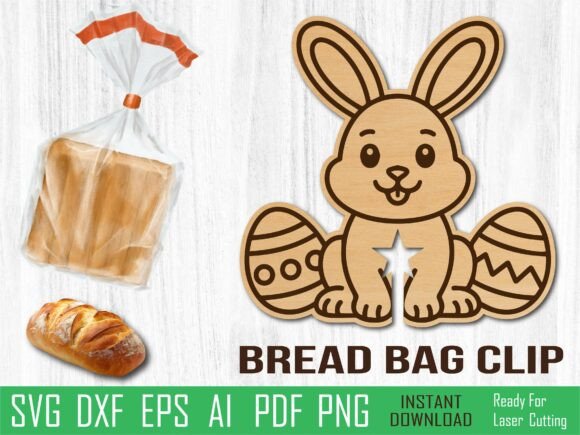
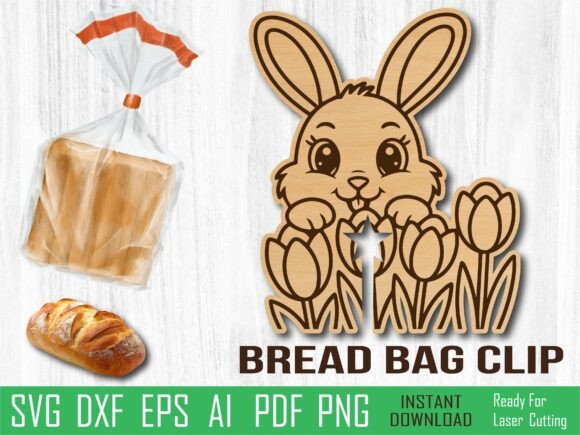
The immediate mood created by the Bunny Tulip Bread Clip, Easter Laser Cut is one of cheerful domesticity. The silhouette is clean, avoiding the clutter often found in overly complex seasonal designs. For an embroidery designer, this clarity is gold. The shape suggests a strong outline that would translate beautifully into a satin stitch border or a dense fill stitch center. The "cheeky sense of humor" mentioned in the product description comes through in the posture of the bunny; it feels alive rather than static.
In the context of a craft business, this design stands out because it solves a problem while providing decoration. Unlike a standard floral motif that sits passively on a fabric surface, this design implies interaction. It invites the user to engage with their kitchen space. If I were adapting this for a custom apparel project, such as a chef's apron or a boutique kitchen towel, the narrative is already written: it’s a gift for someone who loves baking and the spring season. The visual personality is robust enough to hold its own against bold thread colors but delicate enough to remain elegant on pastel backgrounds.
Translating Laser Cuts to Stitched Reality
Although the source file is intended for CNC machines and laser cutters, the principles of good design are universal. When I visualize the Bunny Tulip Bread Clip, Easter Laser Cut as a machine embroidery design, I see distinct opportunities for texture. The tulips, for instance, would benefit from a gradient fill stitch to mimic the softness of petals, while the bunny's ears could utilize a running stitch for a subtle definition without adding bulk.
Consider a real-life scenario: you are preparing a limited run of personalized tote bags for an Etsy shop opening during Easter. A large, flat print might feel cheap, but an embroidered patch version of this bunny adds tactile value. Customers love to touch their purchases. If you convert this design into an embroidered patch for a sweatshirt or a denim jacket, the raised texture of the stitches will catch the light, making the product pop in social media photos. The contrast between the rigid nature of a bread clip and the softness of fabric creates a delightful irony that buyers appreciate.
For baby embroidery projects, such as a nursery pillow cover or a bib, the rounded edges of the bunny and flowers are perfect. They avoid sharp angles that might irritate sensitive skin, and the theme fits perfectly with springtime nurseries. However, the transition from a 2D digital file to a 3D stitched object requires careful planning regarding stitch density. A design that looks crisp when laser-cut can become muddy if the embroidery digitization is too dense.
Navigating Fabric and Hoop Challenges
While the potential is high, practical application demands caution. If you attempt to adapt the Bunny Tulip Bread Clip, Easter Laser Cut for small hoop sizes, you risk losing the defining features of the tulips. The details that make the design "fun" can vanish if the scale is reduced too much. Always test the design on scrap fabric first to ensure the smallest elements remain visible after stitching.
Fabric texture plays a crucial role here. On a smooth cotton canvas, the design will shine. However, on textured fabrics like terry cloth towels or heavy denim, the intricate parts of the bunny's face might get lost in the weave. In these cases, simplifying the design or using a thicker stabilizer is essential to maintain clarity. Similarly, stretchy fabrics require significant stabilization to prevent the stitches from distorting the bunny's shape over time.
Dark fabrics present another challenge. The original design likely relies on negative space or solid fills. When moving to dark material, you must consider how the thread colors will interact. A white outline might look stark, whereas a cream or pale yellow could soften the look. Always create a printable mockup in black and white before committing to expensive threads. This helps you judge the contrast and ensure the design remains legible regardless of the background.
Commercial Viability and Brand Consistency
For the small shop owner or digital product seller, the Bunny Tulip Bread Clip, Easter Laser Cut represents a strategic asset. It bridges the gap between seasonal trends and evergreen home goods. A finished product featuring this design signals professionalism and attention to detail. It elevates a simple kitchen item into a collectible piece, justifying a higher price point.
Customer trust is built on consistency. If your brand focuses on high-quality handmade products, the execution of this design matters immensely. Poorly executed stitching with loose threads or uneven fills will undermine the "humorous" intent and make the product look amateurish. Conversely, a well-stitched version enhances buyer engagement and encourages repeat purchases. It becomes a signature item that customers associate with your brand's unique voice.
When selling digital files or offering custom services, always confirm licensing terms. Just because a design is available for laser cutting does not automatically grant permission for commercial embroidery use. Ensure you have the rights to sell finished items or offer the digital embroidery file to others. This due diligence protects your business and maintains integrity within the creative community.
Practical Designer Notes for Execution
To successfully integrate this concept into your workflow, follow these practical steps:
- Test First: Never skip the test run on a scrap piece of the actual fabric you intend to use. Check for puckering and alignment.
- Stabilizer Selection: Use a tear-away stabilizer for woven fabrics and a cut-away for knits to support the weight of the fill stitches.
- Color Contrast: Experiment with different thread colors to find the combination that best highlights the bunny and tulips against your chosen background.
- Hoop Size Verification: Ensure your machine's hoop can accommodate the full width of the design without distorting the aspect ratio.
- Density Check: Review the stitch density to ensure the fabric breathes and doesn't become stiff, especially for items like aprons or caps.
- Mockup Comparison: Compare light and dark fabric backgrounds in your software before stitching to predict the final look accurately.
The Bunny Tulip Bread Clip, Easter Laser Cut is more than just a file; it is a conversation starter. Whether used as inspiration for a new applique design or adapted directly into a holiday embroidery project, it offers a fresh take on traditional spring motifs. By respecting the nuances of fabric, thread, and technique, you can transform this playful concept into a high-value, cherished product that resonates with your audience.