Woven Basket Bread Clip: Easter Laser Cut Review
As a designer who spends countless hours translating digital files into tangible stitched goods, I approach every new asset with a mix of excitement and skepticism. The Woven Basket Bread Clip, Easter Laser Cut design caught my eye immediately, not just for its seasonal relevance but for the unique challenge it presents to an embroidery artist. While the product description explicitly notes this is a Laser Cutting file intended for CNC machines and kitchen organization, there is a growing trend among crafters to adapt these structural, geometric designs into machine embroidery formats for textiles. My goal here is to evaluate how this specific aesthetic translates from a rigid laser-cut object to a soft, stitched surface, helping you decide if it fits your craft business or personal projects.
First Impressions: From Rigid Lines to Soft Stitches
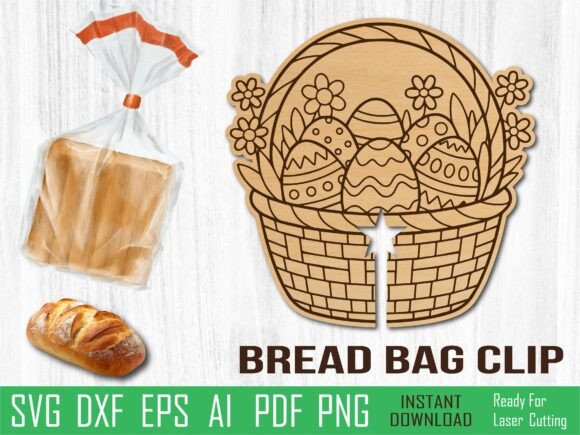
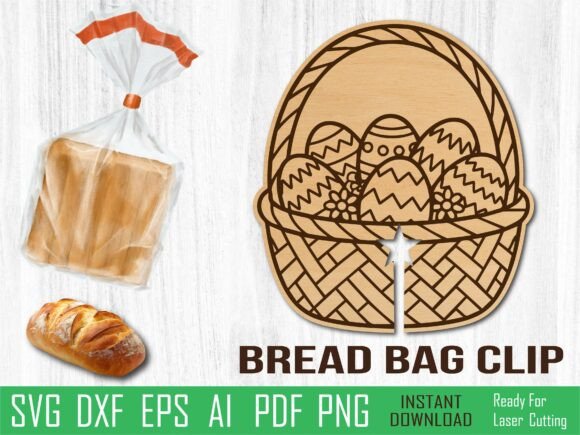
The initial visual impact of the Woven Basket Bread Clip, Easter Laser Cut is defined by its intricate weave pattern and playful silhouette. In its native format as a Laser Cutting project, the design relies on sharp edges and precise negative space to create the illusion of a woven basket holding bread. When I mentally map this onto fabric, the mood shifts from purely functional to whimsically decorative. The "cheeky sense of humor" mentioned in the description suggests a lighthearted vibe that works exceptionally well for spring-themed decor.
However, the transition from a hard material like wood or acrylic to thread requires careful consideration. The interlaced lines that define the "woven" look are dense. In a digital embroidery file, this density can become a double-edged sword. If converted correctly, it creates a rich, textured look that mimics actual weaving. If rushed, it risks becoming a tangled mess of fill stitch that lacks definition. For an Etsy seller or boutique owner, the visual clarity of the finished product is paramount; customers need to instantly recognize the Easter theme without squinting at muddled threads.
Real-World Application: Where Does This Design Belong?
Let's imagine a real-life scenario. You are preparing a collection of custom kitchen linens for the upcoming holiday season. A kitchen towel or an apron featuring the Woven Basket Bread Clip, Easter Laser Cut motif would be a standout piece. The design's inherent connection to food and organization makes it perfectly suited for these items. Imagine a high-quality cotton towel where the basket clip is embroidered in warm earth tones—ochre, sage green, and cream—using a combination of satin stitch for the outline and a low-density fill stitch for the weave. The result is a handmade product that feels both professional and charmingly rustic.
This design also holds potential for custom apparel. Picture a linen tote bag or a canvas sweatshirt pocket. Because the design is relatively compact and self-contained, it avoids the issue of stretching across seams, which often ruins larger motifs. It serves as a perfect focal point for a personalized gift, perhaps paired with a recipient's name in a complementary script font. For those running a small shop, this type of design adds immediate value to basic blanks, transforming a generic item into a curated, seasonal offering that commands a higher price point.
However, we must be realistic about limitations. This is not a design meant for baby embroidery on stretchy onesies. The intricate details could snag on delicate skin, and the density might make the fabric stiff and uncomfortable for a newborn. Similarly, while it could work on a cap, the curved surface of a hat panel might distort the straight lines of the "basket weave," making the finished product look warped rather than intentional.
Navigating Technical Challenges in Embroidery
If you decide to adapt the Woven Basket Bread Clip, Easter Laser Cut for stitching, you must pay close attention to stitch density. The original laser cut design relies on thin, continuous lines. In embroidery, replicating this requires a delicate balance. Too much thread, and the design becomes a solid block of color, losing the "woven" effect. Too little, and the fabric shows through, making the image look unfinished.
Fabric texture plays a massive role here. On a smooth, tightly woven cotton or linen, the design will pop. On a textured fabric like denim or a heavy twill, the fine details of the weave might get lost in the grain of the cloth. Always test the design on scrap fabric first. Check the thread colors against the background; a dark fabric will require significantly more coverage to maintain visibility, which increases the risk of puckering. Using the right stabilizer is non-negotiable. A tear-away stabilizer might leave residue in the tight weave, so a cut-away option is often safer for maintaining the integrity of the embroidered patch or applique-like effect.
Furthermore, consider the hoop size. The design likely needs a medium hoop to accommodate the full width of the basket clip without distorting the shape. Attempting to fit it into a tiny 4x4 hoop might force you to reduce the size too drastically, causing the fine details to vanish entirely. Before committing to a commercial run, create a printable mockup to visualize how the scale looks on different products. Compare light and dark fabric backgrounds to ensure the contrast remains effective in all scenarios.
Strategic Value for Your Craft Business
For the small business owner or creative entrepreneur, the Woven Basket Bread Clip, Easter Laser Cut offers a unique selling proposition. It bridges the gap between utility and decoration. Customers looking for holiday embroidery often seek items that are both festive and useful. A bread clip design on a kitchen towel hits that sweet spot perfectly. It signals to the buyer that you understand their lifestyle and have created something that fits naturally into their home.
However, remember that the original asset is categorized under Other Art Amp and Laser Cutting. If you are using this design for commercial embroidery, you must confirm the licensing terms. Many digital assets sold for one purpose (like laser cutting) do not automatically grant rights for textile reproduction or resale of finished goods. Ensure you have the legal right to sell items made with this embroidery file before listing them on your shop. Building trust with your customers means respecting intellectual property and ensuring your design assets are used ethically.
Final Thoughts on Execution
In conclusion, the Woven Basket Bread Clip, Easter Laser Cut is a promising candidate for seasonal textile projects, provided you approach it with technical precision. Its charm lies in its ability to bring a touch of humor and organization to the kitchen, making it ideal for tote bag designs, aprons, and wall hangings. But success depends on your ability to manage stitch density, choose the right fabric, and respect the limitations of the medium.
Do not rush the process. Test, adjust, and refine. If you can capture the essence of the woven texture without compromising the softness of the fabric, you will have a winner in your small shop product lineup. Whether you are a hobbyist creating a personalized gift or a professional decorator fulfilling a bulk order, this design has the potential to elevate your work—if handled with care and expertise.